


01 Curriculum introduction
We follow the guideline that the national curriculum comes first and so thus we carry out teaching plans based on the national curriculum standards. Our students advance comprehensively in the process of thinking, practicing and creating. We have established a curriculum system with a clear brand of Shanghai Arete Bilingual School. We have formed specific bilingual courses, extensive elective courses and trans-disciplinary experiencing courses.
Our types of curriculum are basic required courses, extensive elective courses, inquiry-based and self-designed courses.
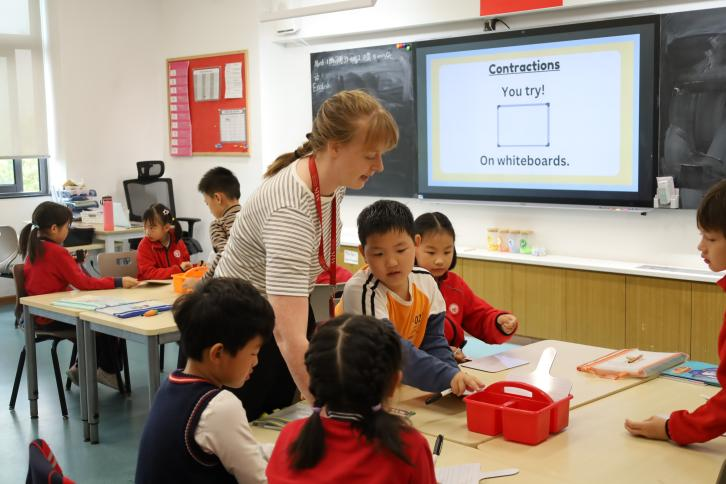
English is the core subject at Primary School. It is taught in small-sized classes and carried out both by local English teachers and international teachers. Wonders is our course book, which covers phonics, reading and other materials. We have also introduced the Lexile Reading Level Test to support our students in leveled reading.
Music, P.E. and art are the main courses at Primary School, featuring in various ways of learning, experiencing and practicing. Among these, swimming and musical instruments are required courses.
The transition course from Kindergarten to Primary School is another feature here. In order to help kindergarten students transit from pre-school learning to formal school learning smoothly, we have a one-day experiencing day for K3 students to come to the Primary School.
02 Bilingual curriculum at SABS Primary School
We follow the rule that national curriculum always comes first. We use required course books and welcome all kinds of government supervision. Every subject is instructed bilingually except for Chinese language arts. The ratio of English usage is on the rise based on students’ English levels and grades.
Students have at least 6 classes every week fully instructed by international teachers, including English, science, art and P.E.
03 Featured courses at Primary School
Chinese:
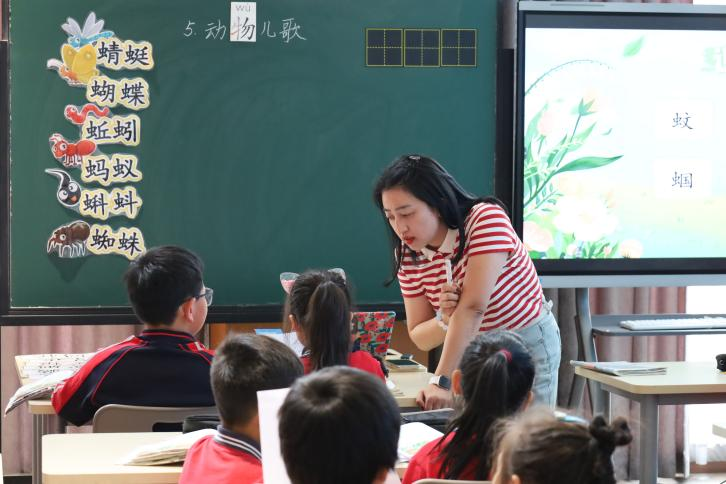
We use official textbooks focusing on themed teaching and reading. In this way, we try to improve students’ social awareness as well as their language acquisition.
Chinese culture:
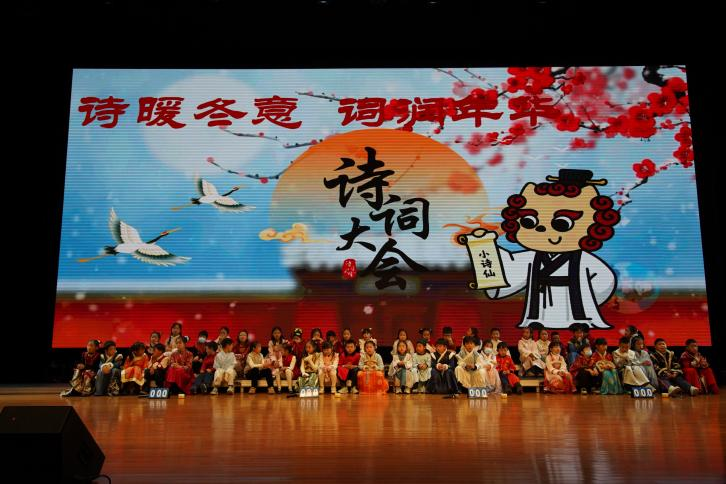
Apart from the traditional recitations of Chinese classics, we have also introduced the Chinese culture-experiencing program. We try to create our own school-based curriculum and set them as required courses here.
Math:
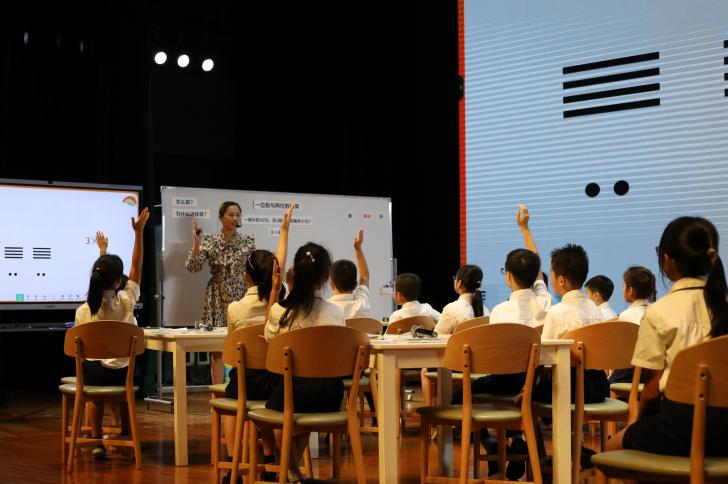
We use official textbooks for Math and integrate Targeting Mathematics as a complementary book. We use a teaching mode that combines required courses and electives.
English:
We aim to create a learning environment that helps students improve their listening, speaking, reading, writing and communicating. We use small-sized classes (15 students/class) to make English learning more personalized and targeted to each and every individual’s learning abilities.
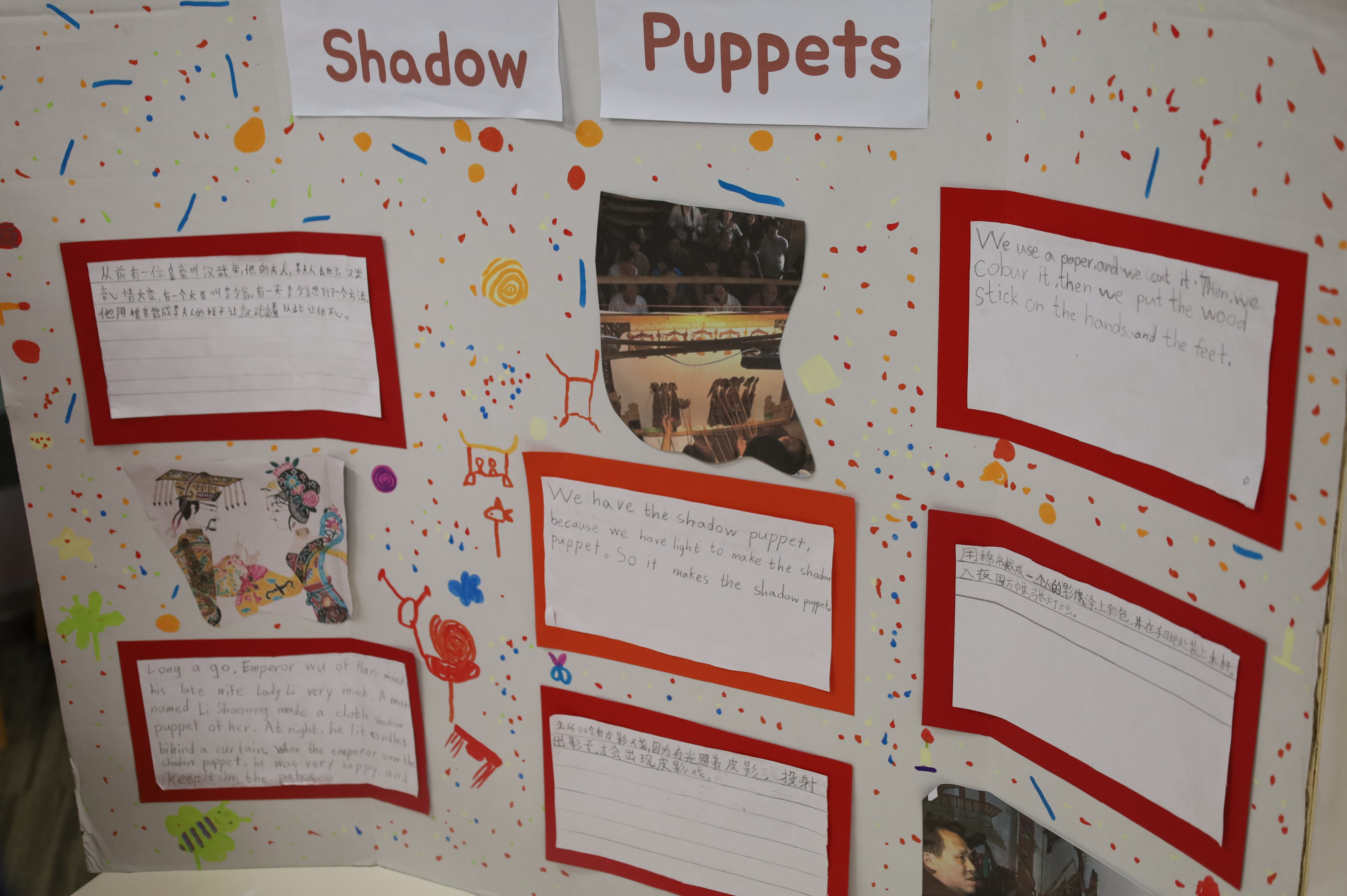
Chinese and English reading:
We employ the book analysis reading approach and we have featured reading weeks to motivate students to read more outside of the classroom.
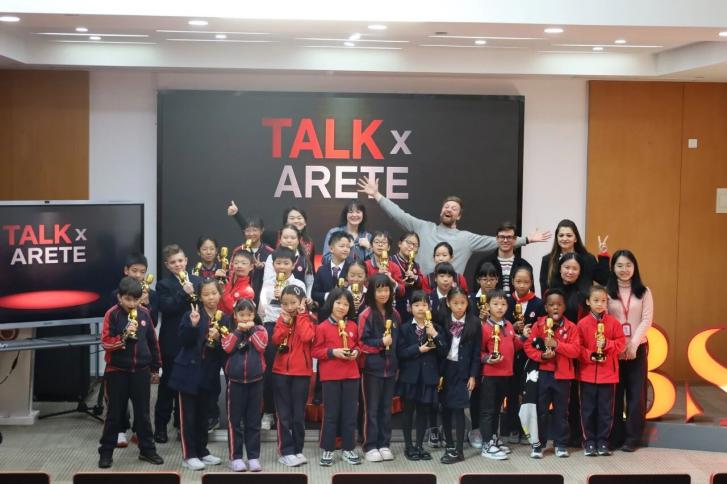
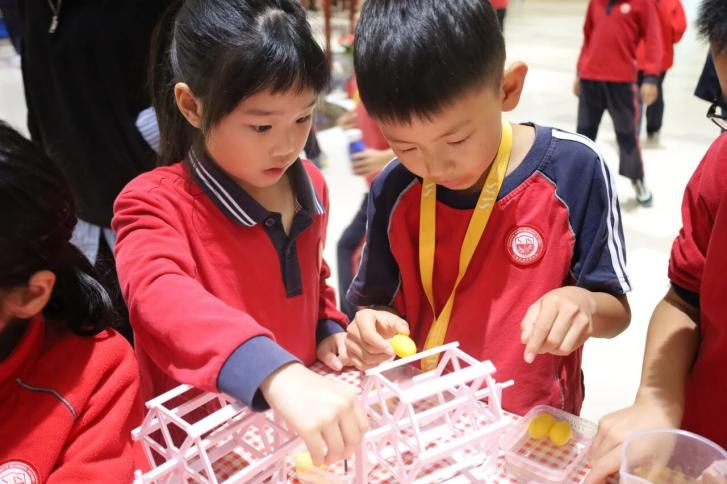
STEAM:
With project learning, we integrate math, science, engineering, art and English together to help students solve problems in a trans-disciplinary way.
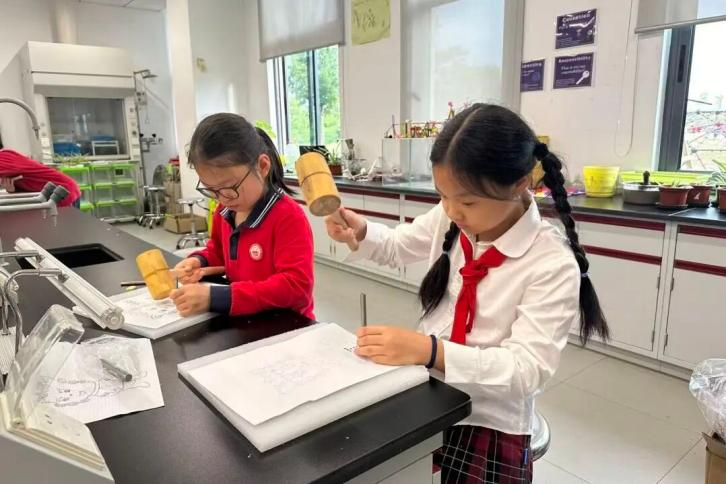
Thematic exploration integrated course:
It embeds moral education into various courses and runs through students’ daily life. Led by GE and social exploration courses, we form a trans-disciplinary liberal arts curriculum through exploration and social practice.
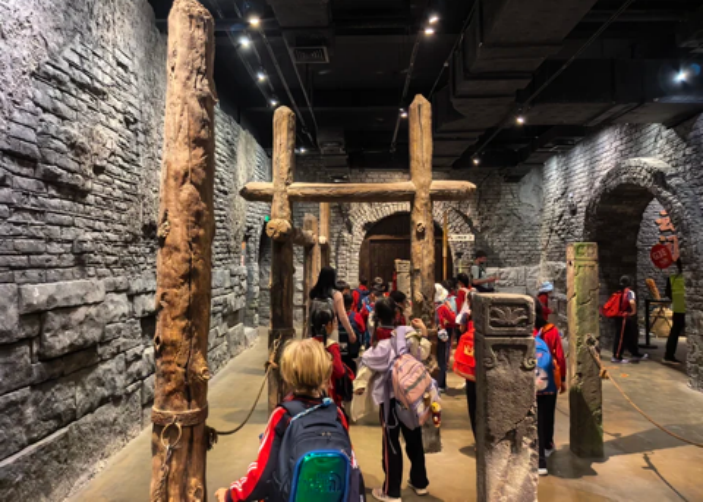
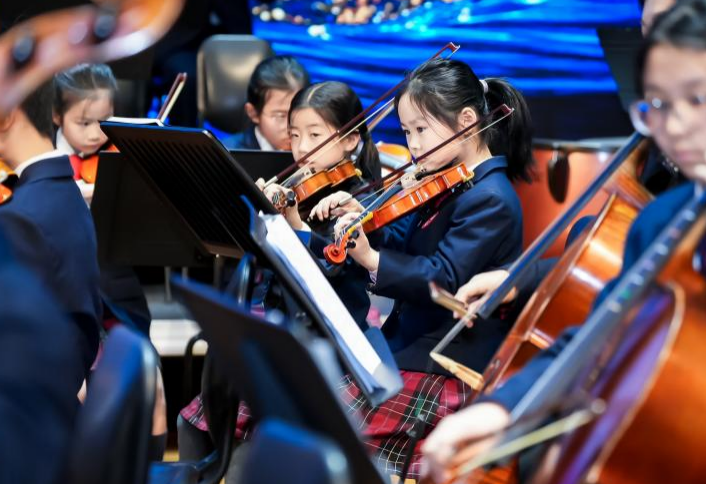
Music:
The school hires the music professor at East China Normal University as the ECNUAS music director, fully committed to building a distinctive course combining music knowledge and individual instrument training, ultimately to further progress our school orchestra.
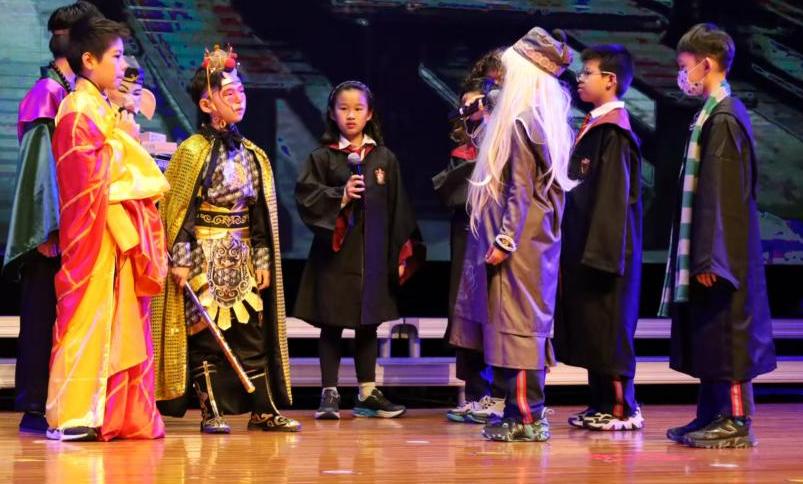
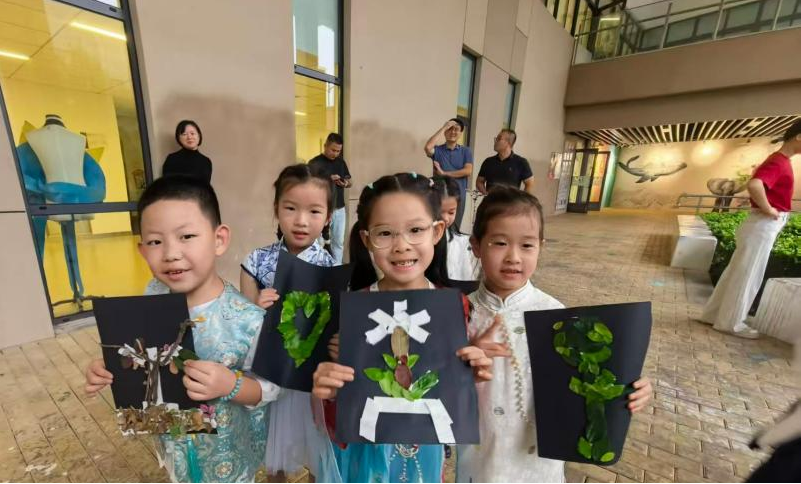
Art:
As a K-12 school, there are unique opportunities for students to learn and experience art and that let students fully understand the history of Chinese and western art. The primary school regularly organizes art exhibitions and fashion shows to allow every student to fully demonstrate their creativity.
Physical education:
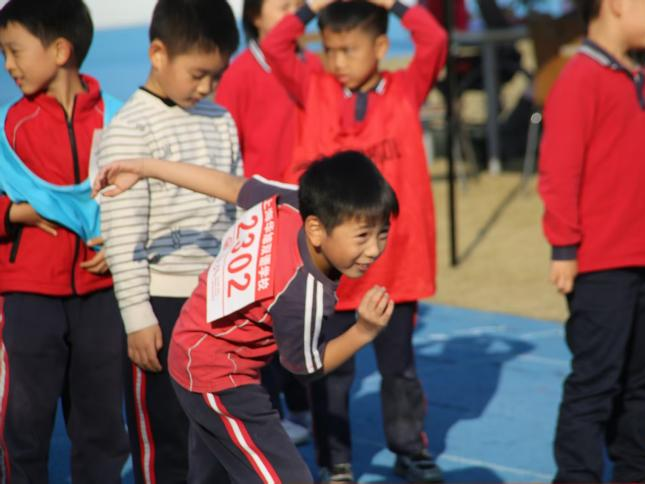
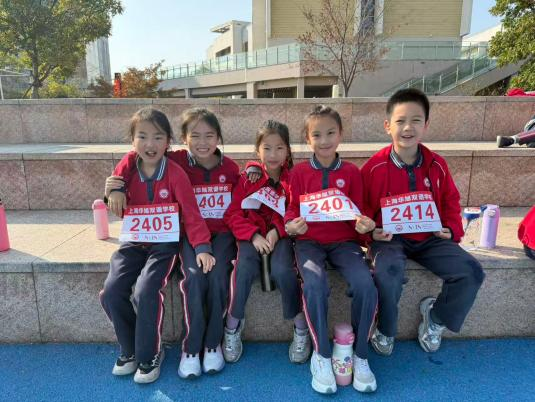
In order to promote the best physical development of each student and to enable students to achieve their full potential, the joint teaching of Chinese and foreign teachers is implemented. This combines the advantages of Chinese and foreign Physical education, under the leadership of our foreign sports director. Physical education will improve the students’ social interaction ability and problem-solving skills as well as improving their physical and mental health. The school has created a safe and well-equipped sports environment so that every student can enjoy sports. Swimming is a compulsory program at Primary School that is included in the overall evaluation, serving as an important basis for our students.
Club lessons:
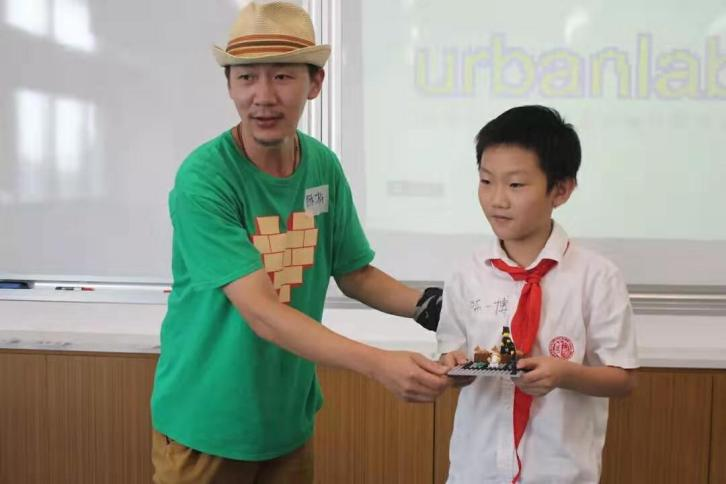
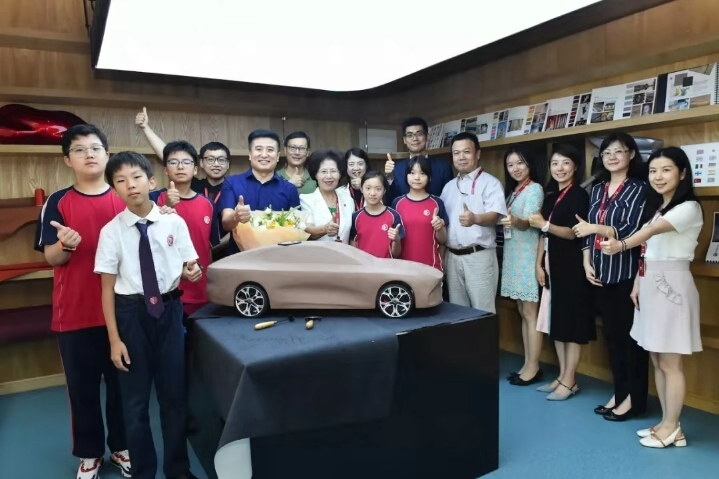
In order to motivate students to pursue their interest and learn different subjects, we have dedicated the last class from Monday to Thursday as club lessons. We have hired professional off-campus experts, such as the badminton world champion Gong Ruina’s badminton team, Shanghai Shenhua Club football youth training team, urban lab city LEGO professional team, SAIC car design team, etc. Students can choose among the 80 courses including car design, badminton, tennis, rugby, baseball, German, dance, Chinese and English drama, television reporting and so on.
Other activities:
We have various activities, including Spring and Autumn excursions, “Qinyuan” planting, Humanities Lectures, Ten-year-old ceremony, Poetry Competition, Cultural Carnival, Reading Week, English Week, Fashion Show, Ari Exhibition, New Year Concert, etc.
04 Primary school Management Features
Small-class teaching with a maximum number of 30 students per class.The goal of curriculum and teaching management is quality over quantity.
In order to enhance quality education, each class is equipped with a homeroom teacher and a co-homeroom teacher. They take up the class management work and help students develop good learning habits. They serve as the important link between parents and the school.Students are assessed on their progressive and summative work.
 沪公网安备: